
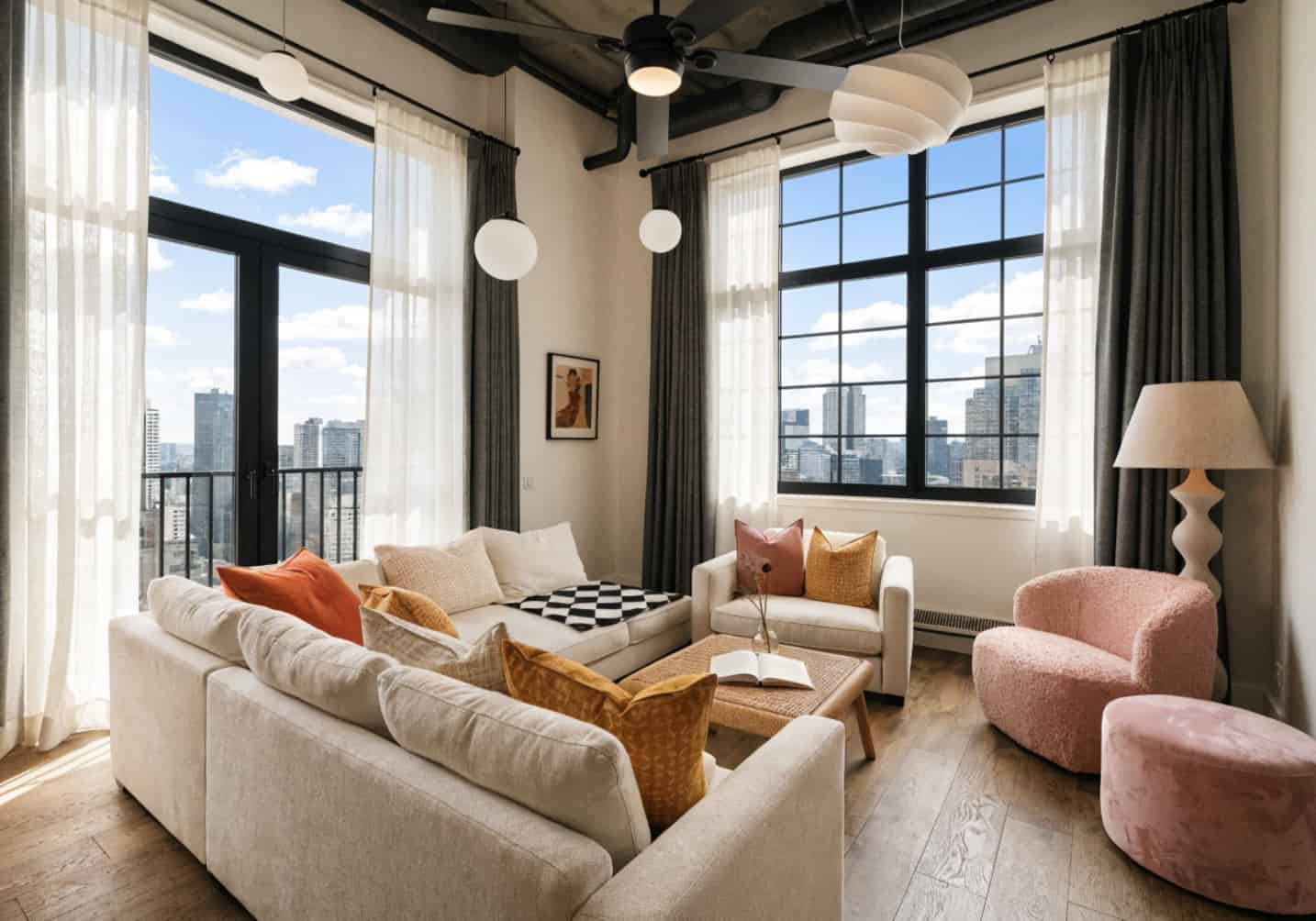
A small living room doesn’t have to feel tight or uncomfortable. With the right decor choices, even the smallest space can look open, bright, and visually larger. Many people struggle with limited square footage, but smart styling can completely transform how a room feels without renovation. These small living room decor tips focus on light, layout, color, and furniture choices that create the illusion of space. Whether you live in an apartment or a compact home, these practical ideas will help you make your living room feel bigger, better, and more inviting.
1. Use Light Colors to Open Up the Space
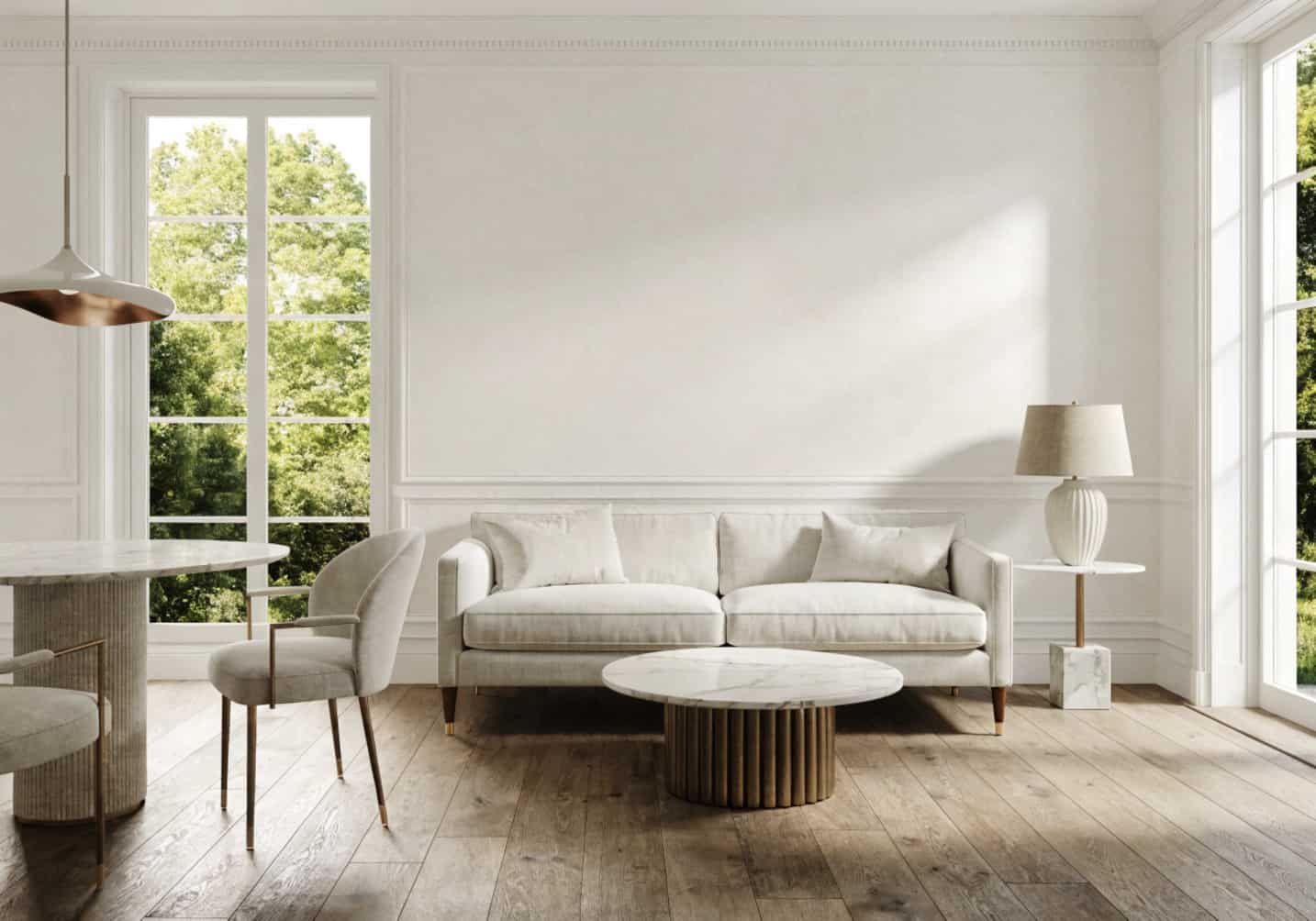
One of the easiest ways to make a small living room look bigger is by using light colors. Dark shades tend to absorb light, making the room feel closed in and heavy. Light tones like white, beige, cream, and soft gray reflect light and visually expand the space. Painting walls in a light color creates a clean backdrop that makes furniture and decor feel less crowded. You can still add personality through subtle accents like cushions or artwork. A bright color palette instantly makes the room feel airy, fresh, and more spacious.
2. Choose Furniture That Fits the Scale of the Room
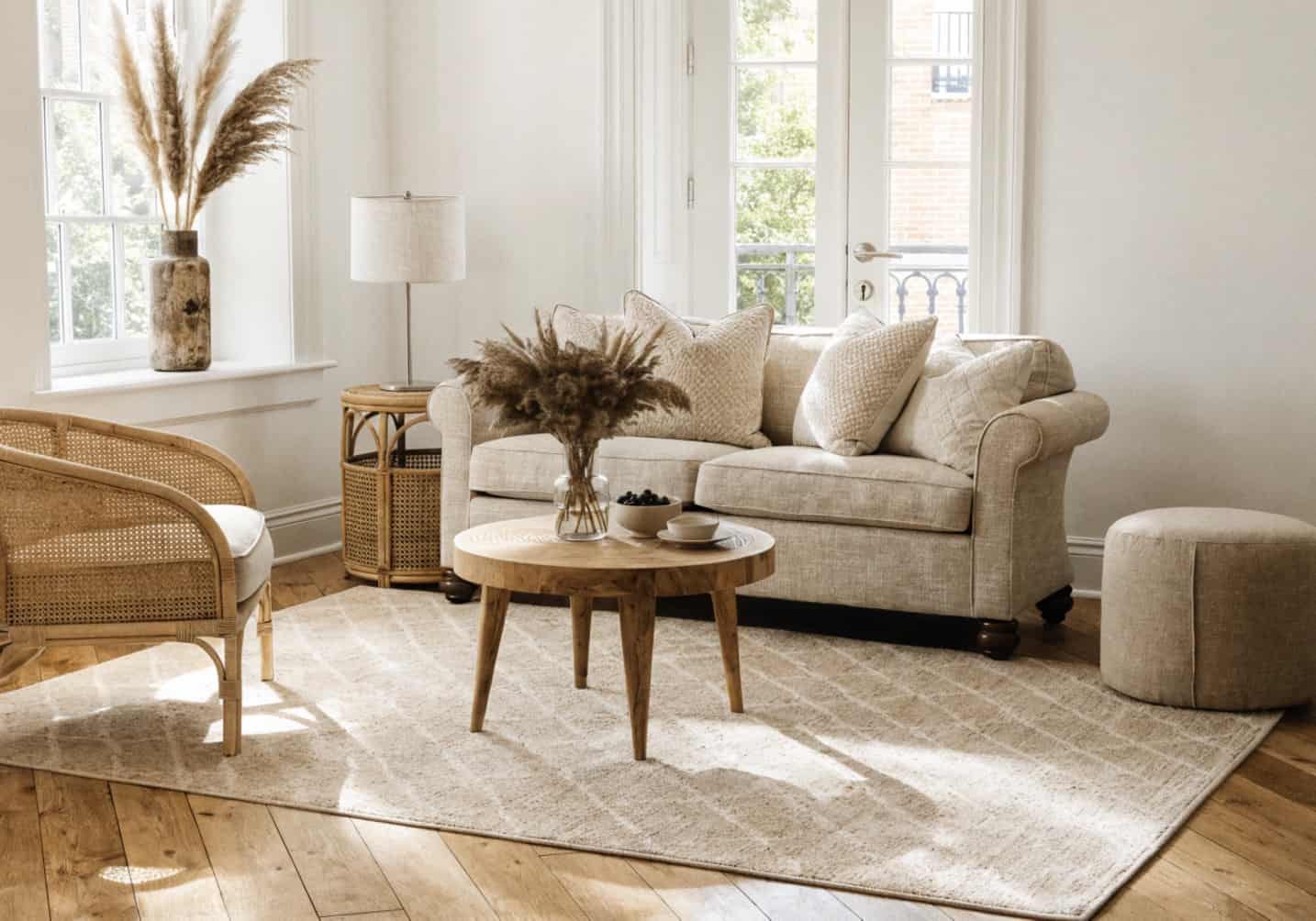
Oversized furniture is one of the biggest mistakes in small living room decor. Large sofas and bulky tables quickly overpower the space and reduce movement. Instead, choose furniture that matches the scale of your room. Compact sofas, armless chairs, and slim coffee tables create a lighter visual footprint. Furniture with exposed legs allows more floor to be seen, which makes the room feel bigger. The goal is comfort without crowding. Properly sized furniture helps maintain balance and makes the living room feel open rather than cramped.
3. Let Natural Light Flow Freely
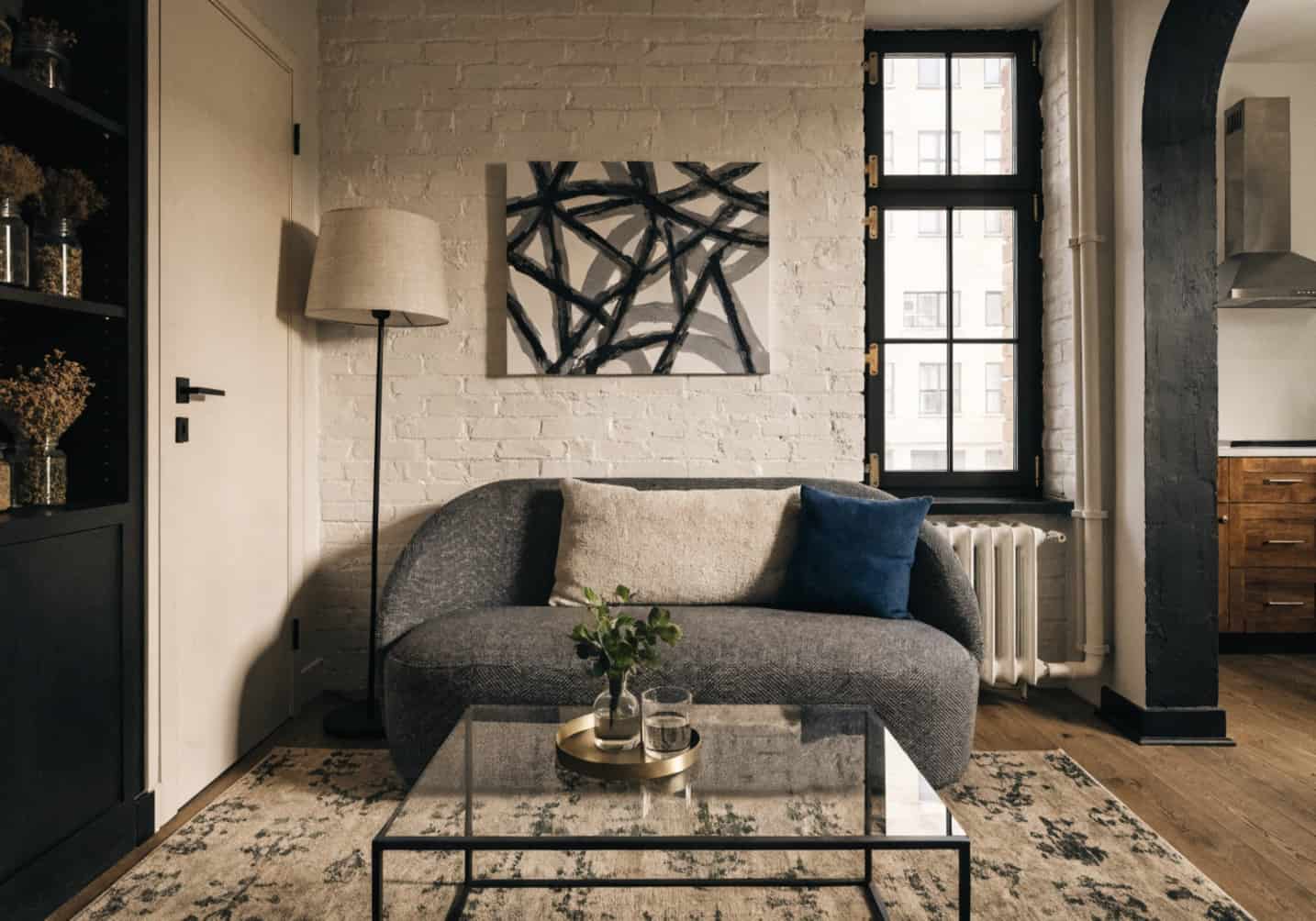
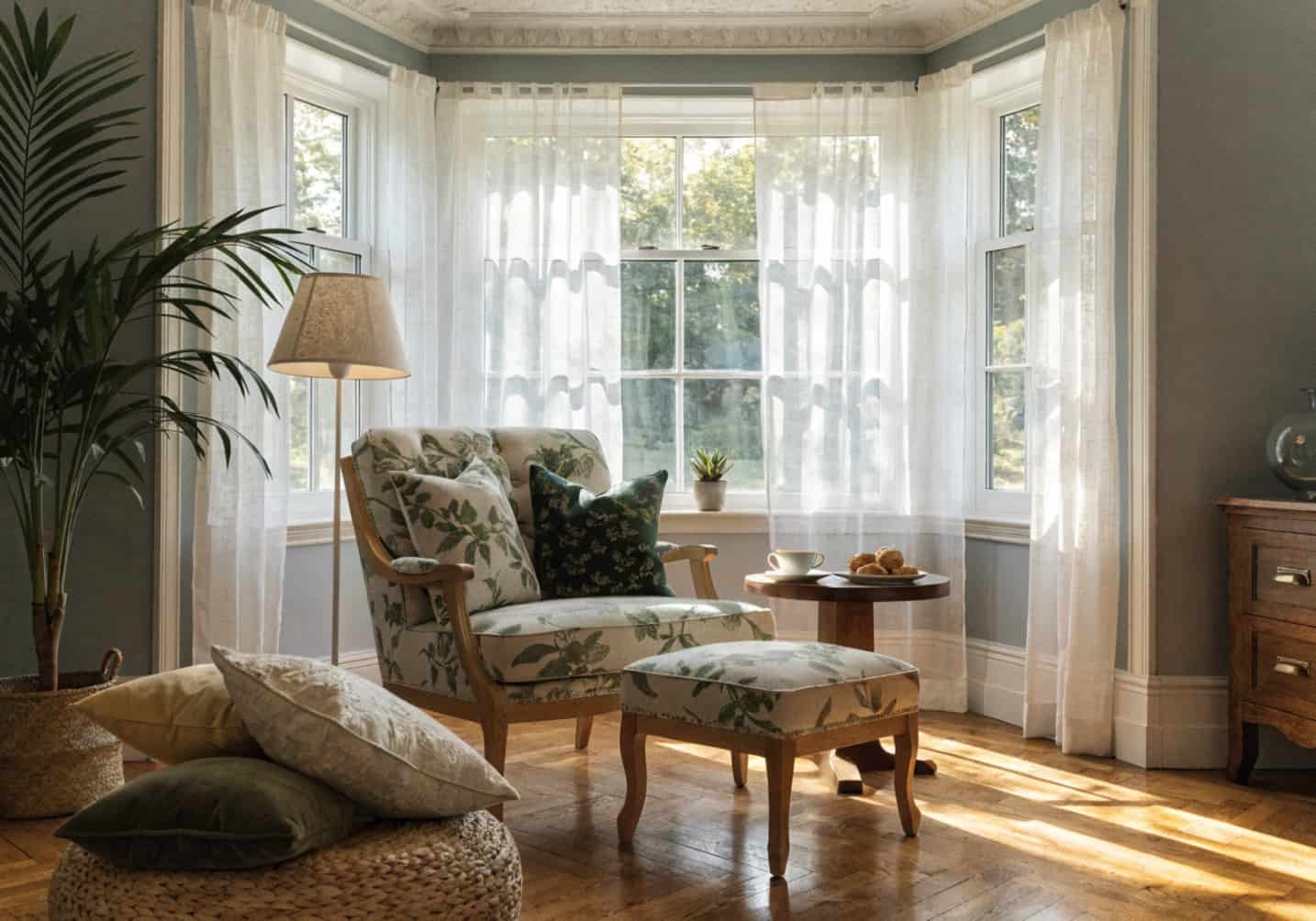
Natural light is a powerful tool when decorating a small living room. Rooms that receive more light automatically feel larger and more welcoming. Heavy curtains or dark window treatments can block light and make the space feel smaller. Opt for sheer curtains or light fabrics that allow sunlight to enter freely. Keeping windows unobstructed enhances brightness and creates an open atmosphere. If privacy is a concern, light-filtering blinds work well. Maximizing natural light helps blur the boundaries of the room and instantly makes it feel more expansive.
4. Use Mirrors to Create the Illusion of Space
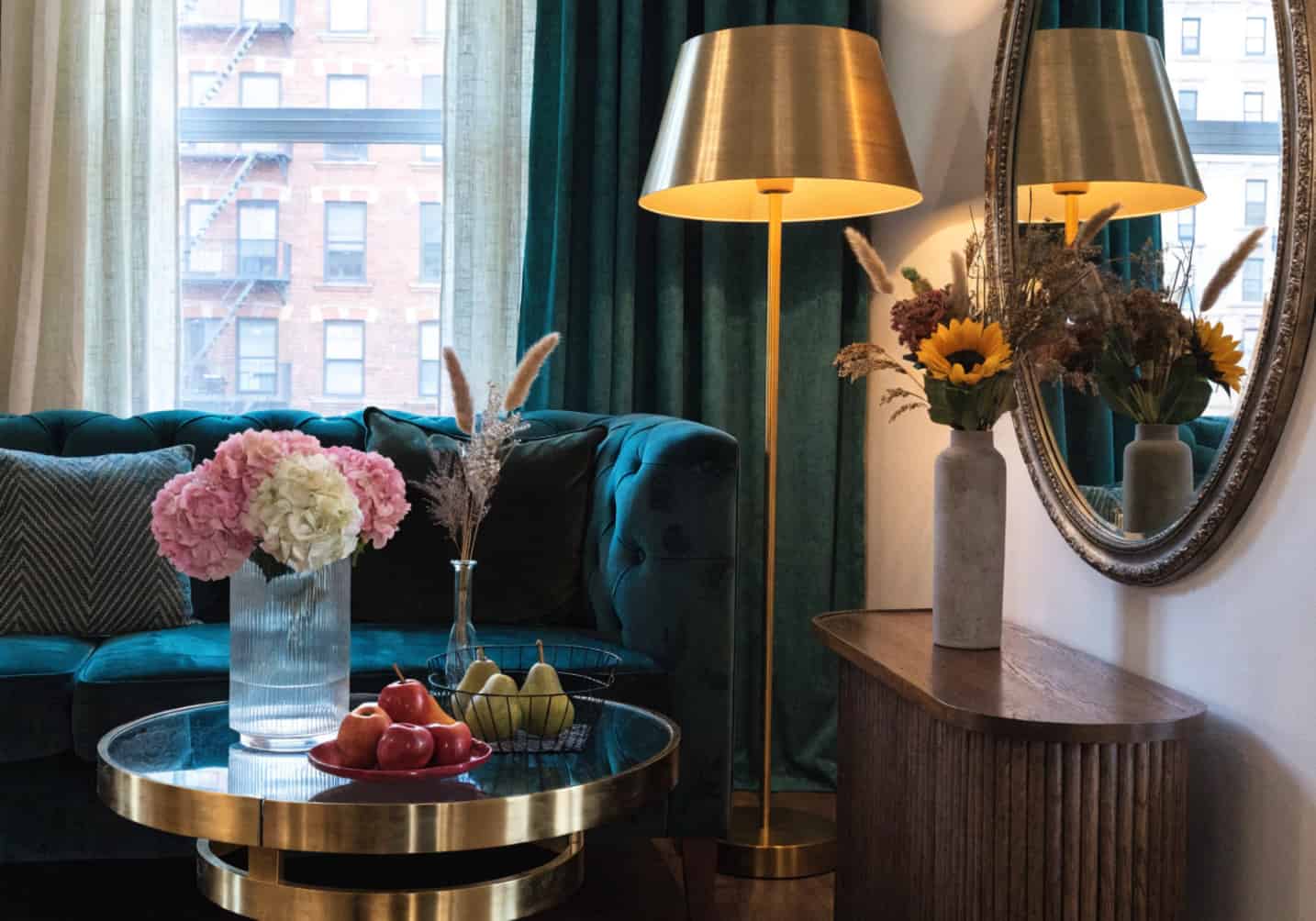
Mirrors are one of the most effective decor tools for small living rooms. They reflect both light and surroundings, instantly making the room feel deeper and wider. A large mirror placed opposite a window can double the amount of light in the room. Even smaller decorative mirrors can add dimension when positioned thoughtfully. Mirrors also break visual boundaries, tricking the eye into seeing more space than actually exists. When used correctly, mirrors add elegance while dramatically increasing the perceived size of the living room.
5. Keep the Layout Open and Clutter-Free
Clutter makes any room feel smaller, especially a living room with limited space. Too many decor items, unnecessary furniture, or poor placement can quickly overwhelm the area. Keeping the layout simple and open allows the room to breathe. Focus on clear pathways and avoid blocking natural walkways. Every item should have a purpose. When surfaces are clean and furniture is well-spaced, the room instantly feels more organized and larger. An open layout improves both functionality and visual appeal in a small living room.
6. Go Vertical With Storage and Decor
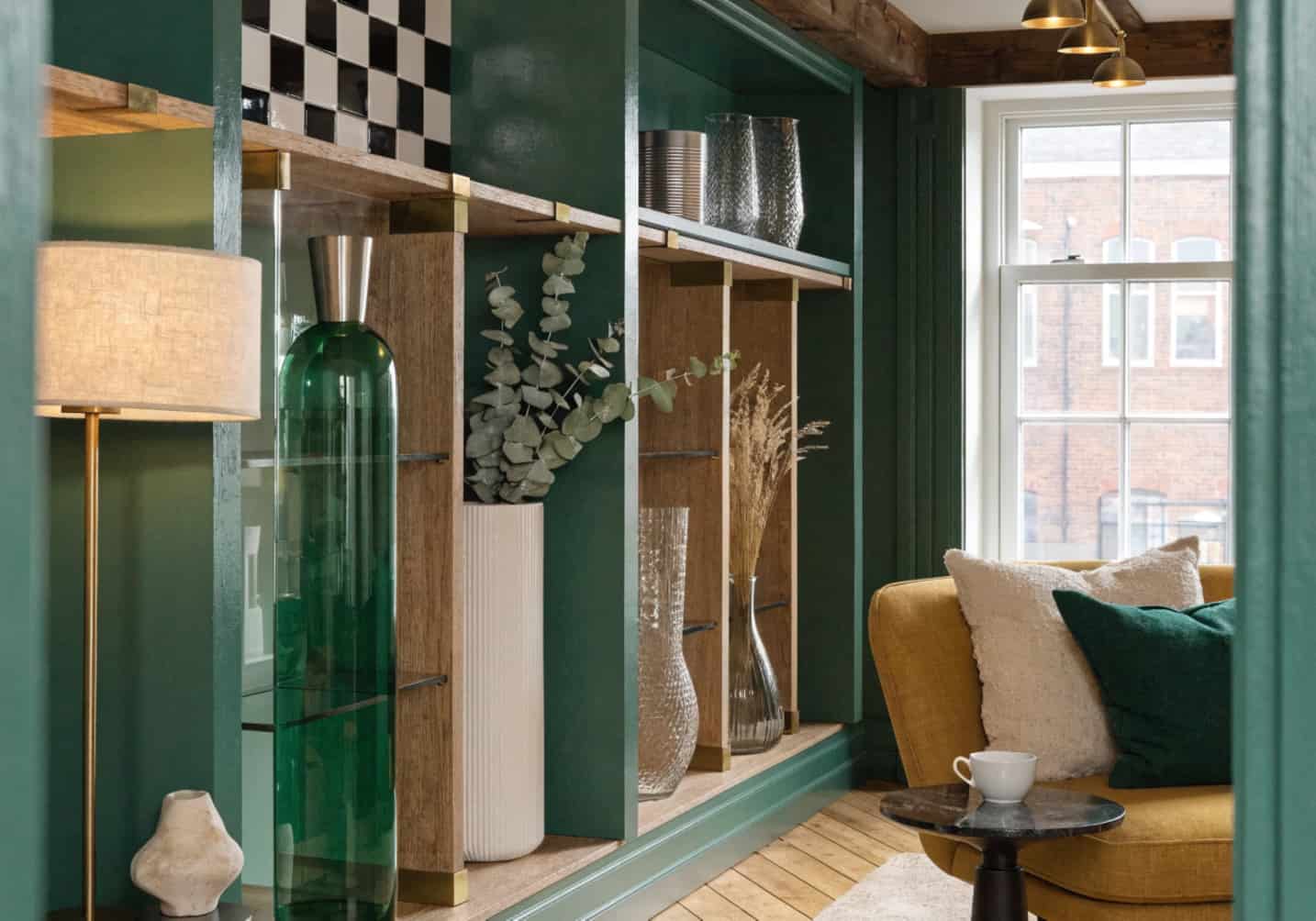
When floor space is limited, vertical space becomes extremely valuable. Using walls for storage and decor helps free up the floor and makes the room feel taller. Floating shelves, wall-mounted cabinets, and vertical artwork draw the eye upward, creating the illusion of height. This approach keeps essentials organized without adding bulky furniture. Tall bookcases or shelves that reach near the ceiling also make the room feel more spacious. Vertical design elements help maximize space while keeping the living room visually balanced and stylish.
7. Choose Multi-Functional Decor Pieces
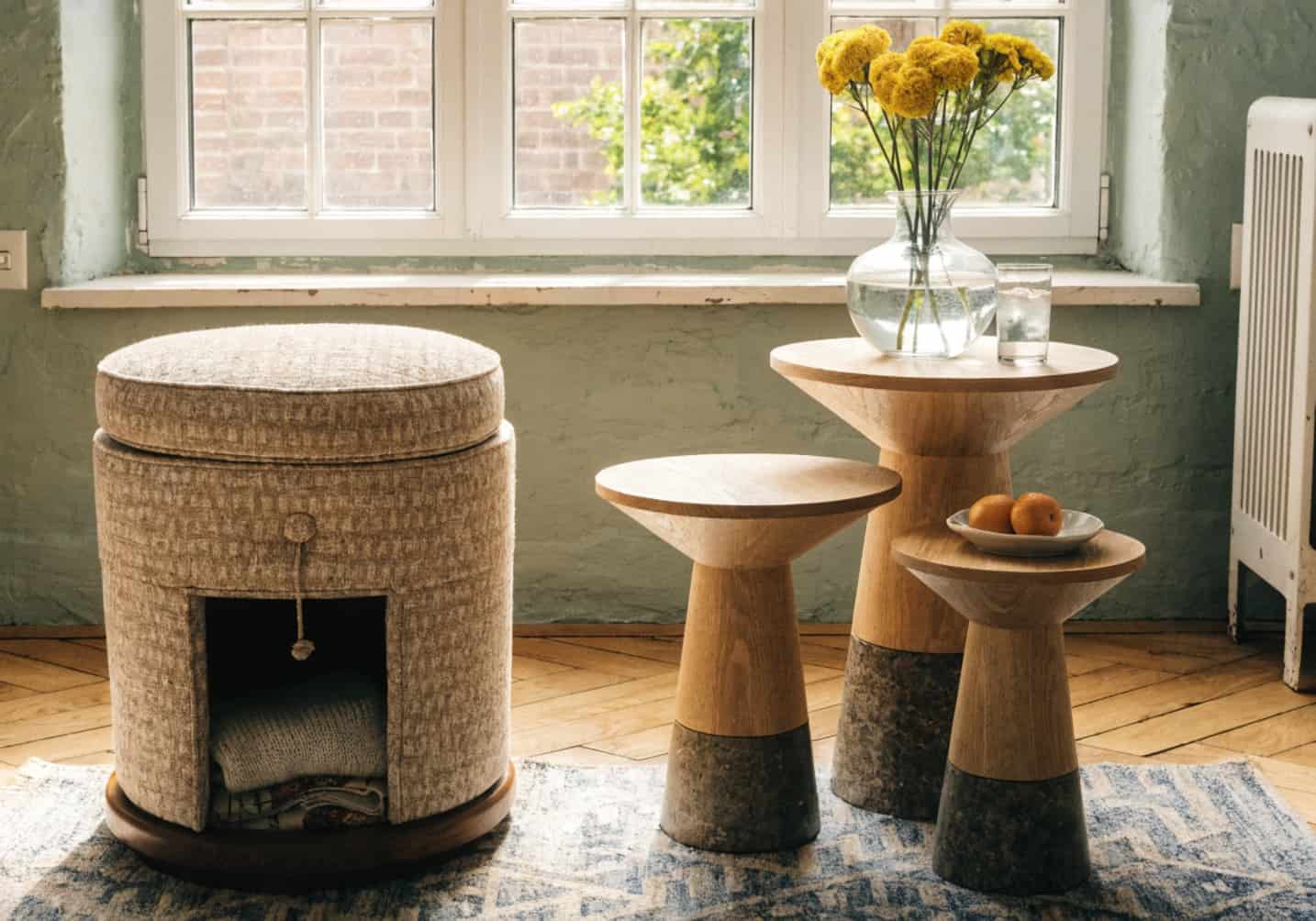
In a small living room, every item should work harder. Multi-functional decor pieces save space while improving usability. Storage ottomans, nesting tables, and sofa beds provide function without clutter. These pieces help reduce the need for extra furniture, keeping the room open and organized. Multi-purpose items also make daily living easier in compact homes. When furniture serves more than one role, the living room feels efficient and well-designed. Smart choices like these instantly make small spaces feel larger and more practical.
8. Stick to a Cohesive Decor Style
A mix of too many styles, colors, or patterns can visually shrink a small living room. Keeping a cohesive decor style helps maintain harmony and openness. Choose one main theme—modern, minimal, cozy, or Scandinavian—and stick with it throughout the room. Consistency in materials and colors creates visual flow, making the space feel larger and calmer. When everything feels connected, the eye moves smoothly across the room without visual interruptions. A unified decor style is key to making a small living room look bigger and more polished.
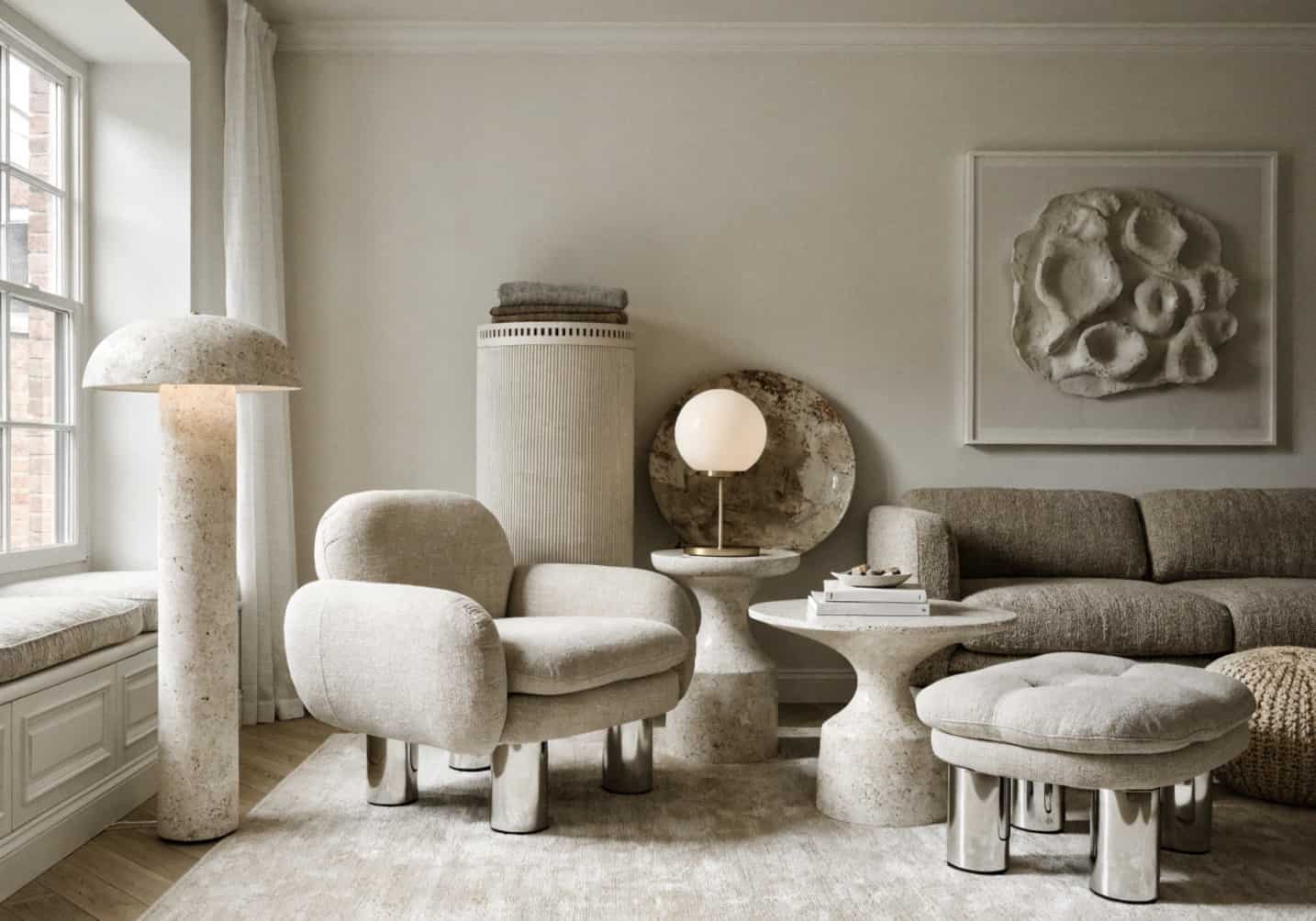
9. Use Rugs Strategically to Define and Expand the Space
Rugs can completely change how a small living room is perceived. A rug that is too small can make the room feel disconnected and cramped, while the right size rug helps visually expand the space. Choosing a larger rug that allows the front legs of furniture to rest on it creates unity and makes the room appear bigger. Light-colored or subtly patterned rugs work best in small areas because they don’t overpower the room. Rugs also add warmth and comfort while clearly defining the seating area without adding visual clutter.
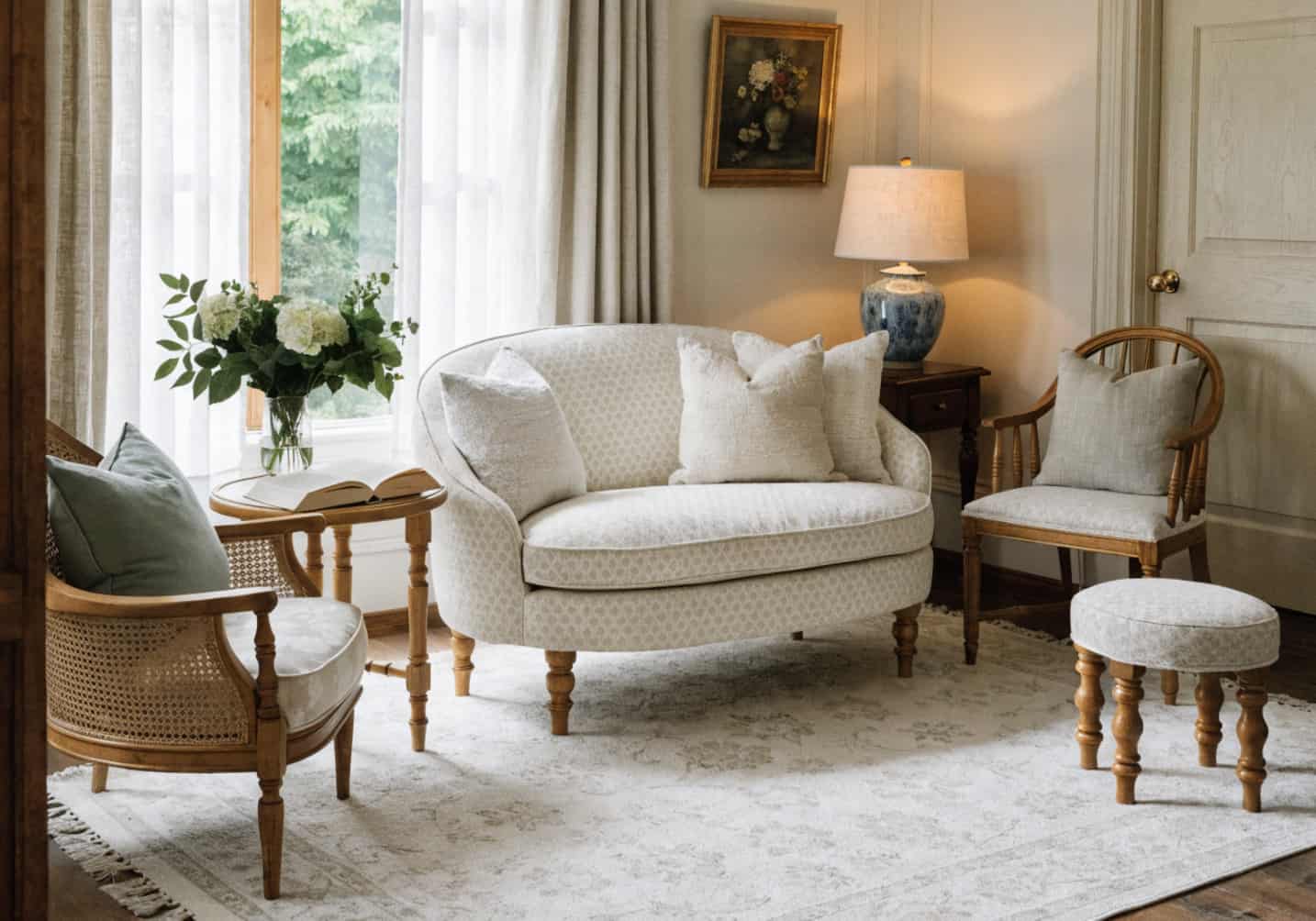
10. Keep Furniture Close to the Floor for an Open Feel
Low-profile furniture is a powerful decor trick for small living rooms. When furniture sits closer to the floor, it creates more visible space above, making ceilings appear higher. Sofas with low backs, floor-level coffee tables, and minimal armchairs help maintain an open look. This design approach prevents the room from feeling boxed in. Low furniture also gives the illusion of more air and movement throughout the space. It’s a simple yet effective way to make a compact living room feel taller, lighter, and more modern.
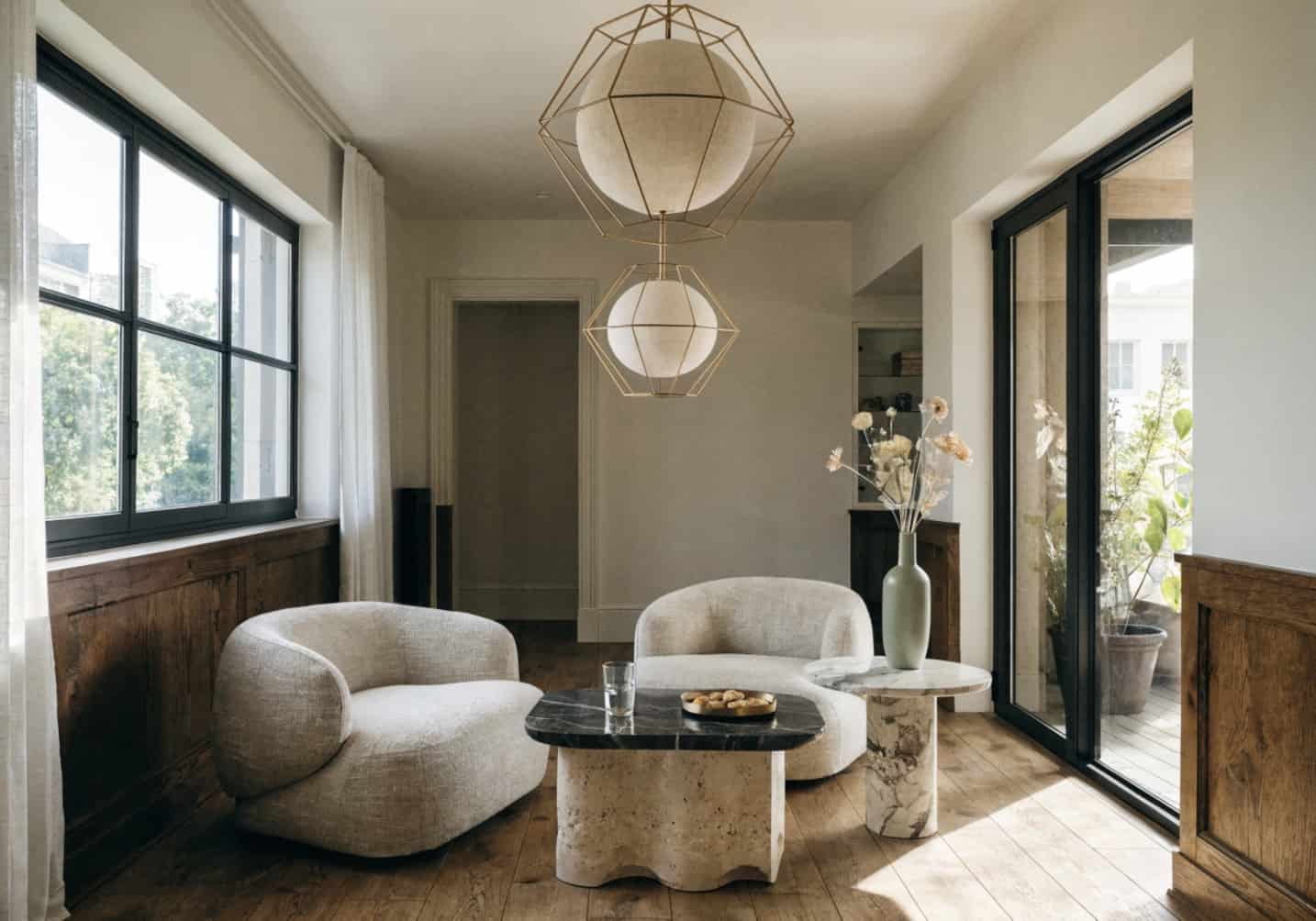
11. Limit Accessories to Avoid Visual Overload
Accessories add personality, but too many can quickly overwhelm a small living room. Visual overload makes the space feel cluttered and smaller than it is. Instead of filling every surface, choose a few meaningful decor pieces and display them thoughtfully. Grouping accessories on trays or shelves keeps them organized and visually clean. Negative space is just as important as decoration in a small room. When accessories are limited and intentional, the living room feels calmer, more balanced, and visually larger.
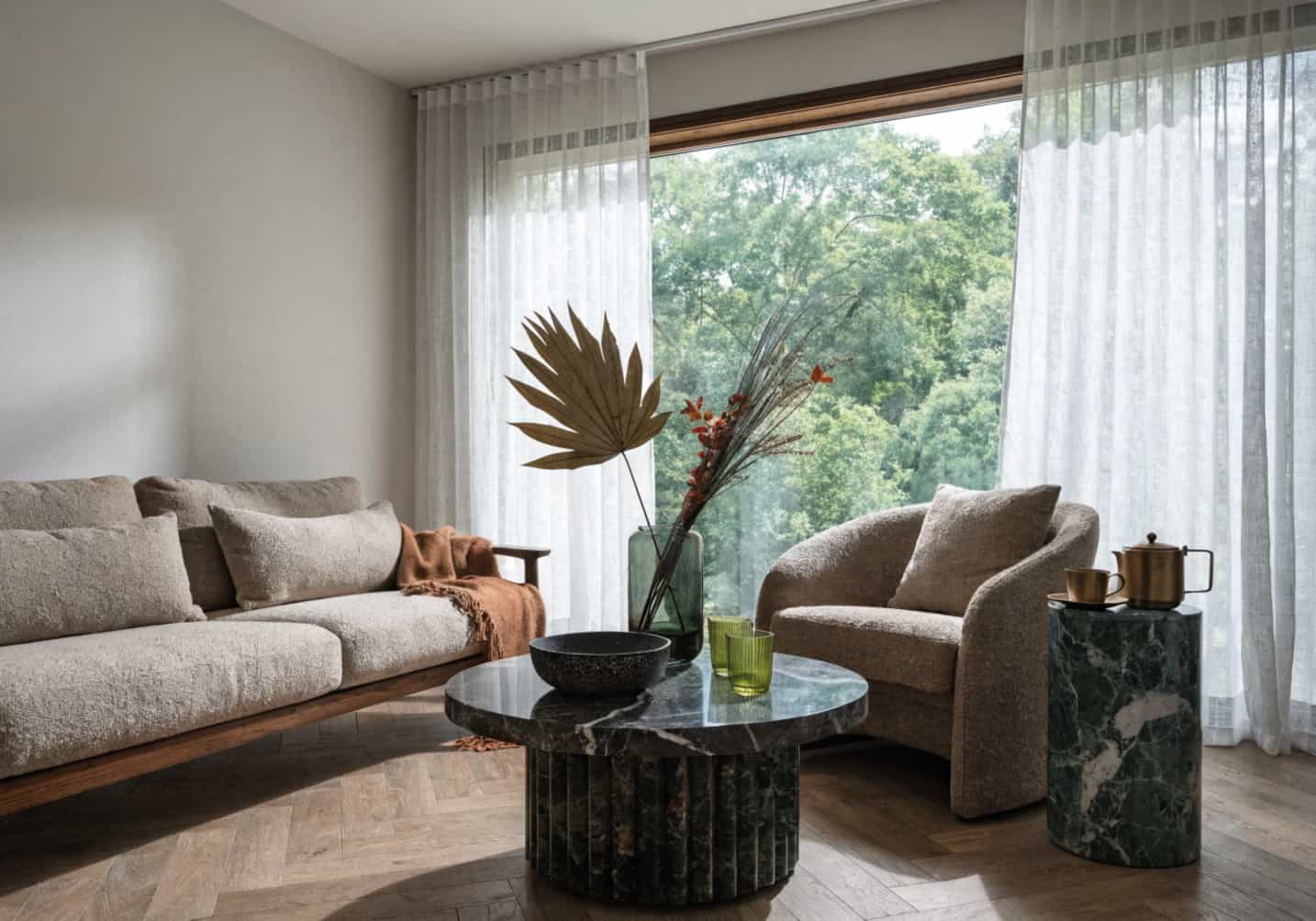
12. Create a Strong Focal Point to Anchor the Room
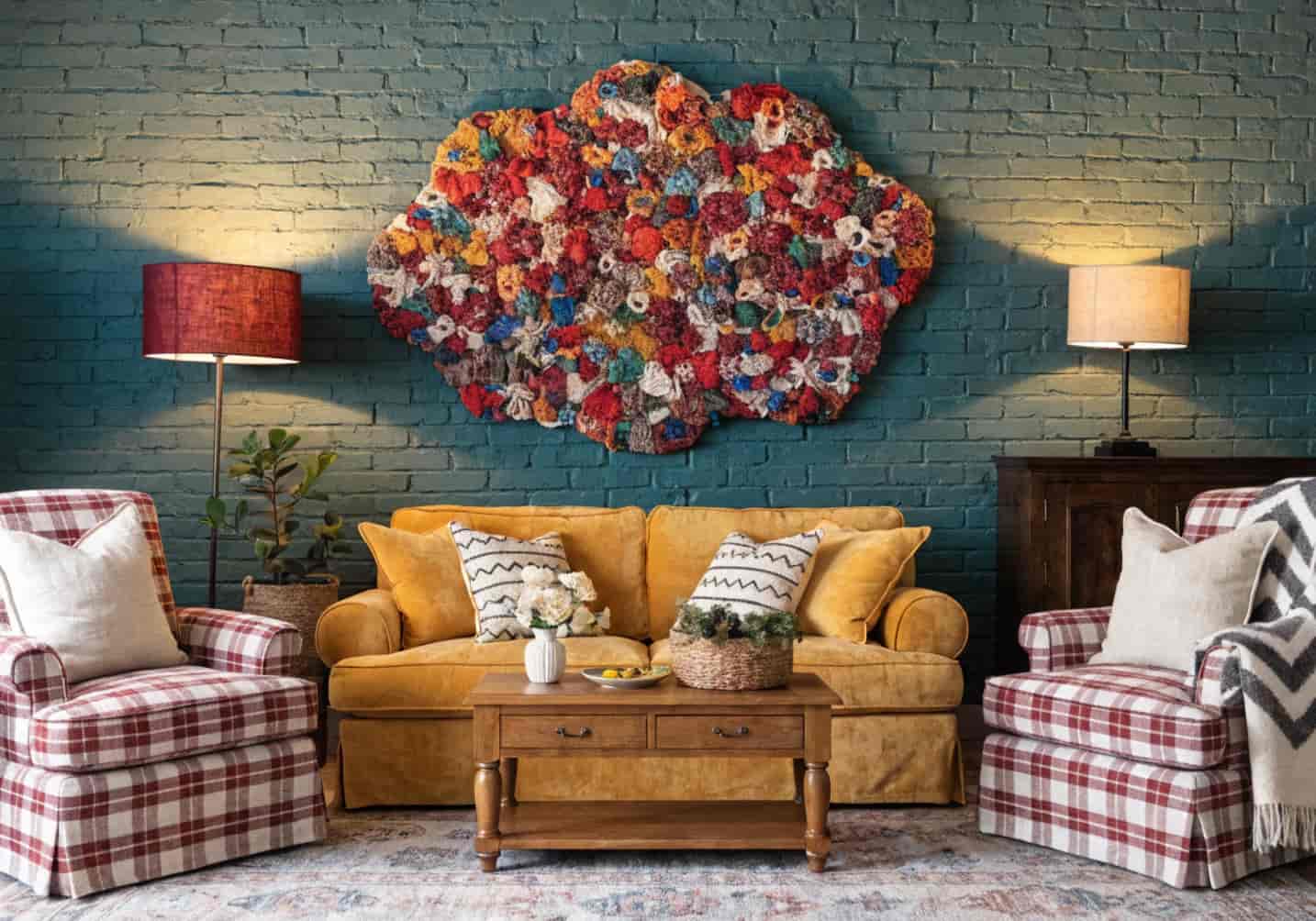
A small living room benefits greatly from having one clear focal point. Without it, the room can feel scattered and visually confusing. A focal point could be a statement artwork, a stylish TV wall, or a decorative mirror. When furniture is arranged around a central element, the room feels more organized and spacious. This approach draws attention away from the size of the room and toward its design. A strong focal point adds structure and helps the living room feel intentionally designed rather than crowded.
13. Add Vertical Lines to Make the Room Feel Taller
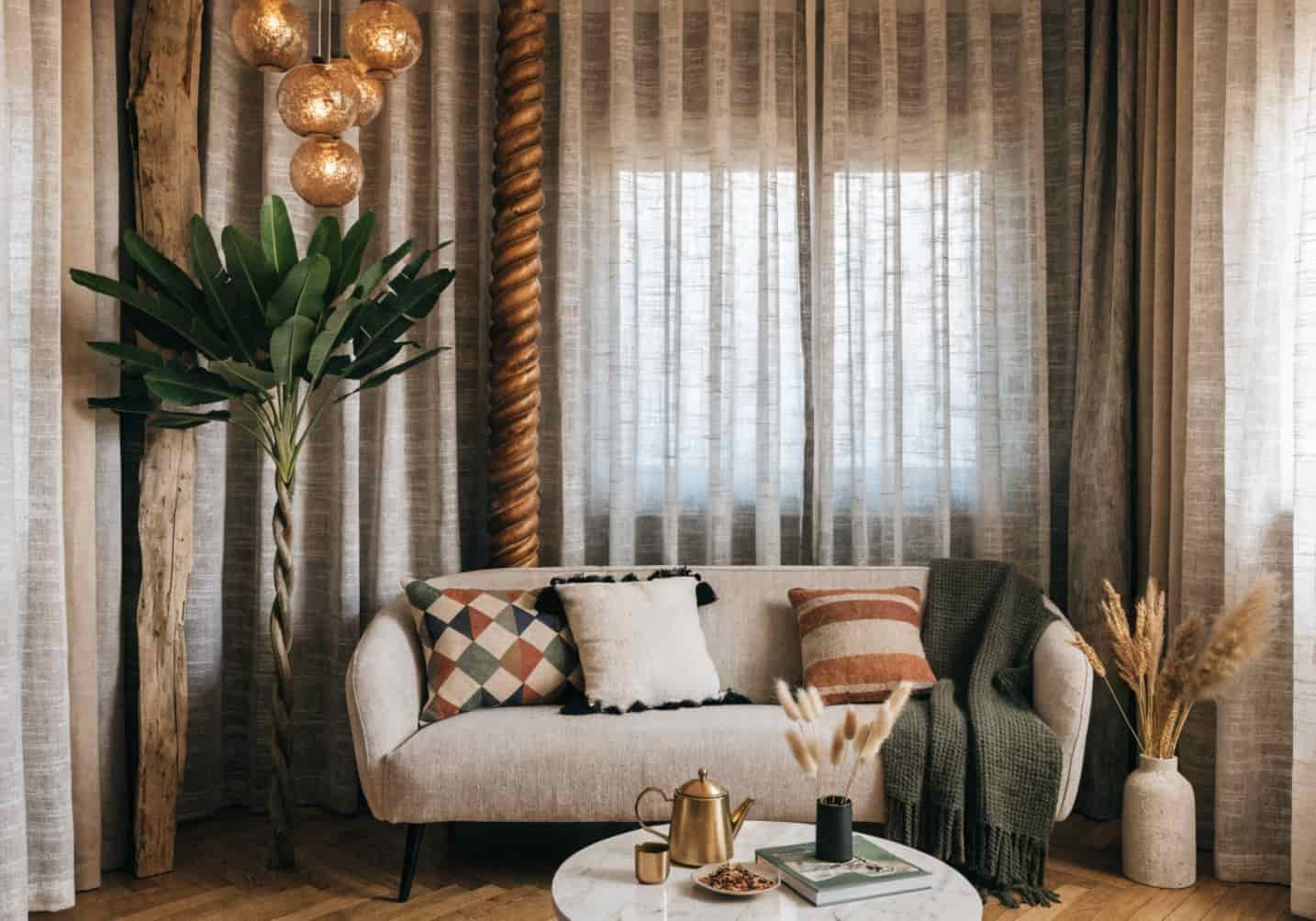
Vertical design elements can make a small living room feel taller and more spacious. Curtains hung close to the ceiling, tall plants, or vertical wall panels draw the eye upward and create the illusion of height. Even vertical stripes in decor or artwork can subtly elongate the room. This trick works especially well in rooms with low ceilings. By emphasizing height instead of width, the living room feels more open and less confined. Vertical lines help transform compact spaces into visually impressive interiors.
Final Thoughts
Making a small living room look bigger is all about smart decor choices, not expensive renovations. Light colors, proper furniture scale, natural light, mirrors, and clutter-free layouts can completely transform how your space feels. By focusing on functionality and visual flow, you can create a living room that feels open, comfortable, and stylish. With these small living room decor tips, even the tiniest space can feel bright, beautiful, and perfectly designed for everyday living.