
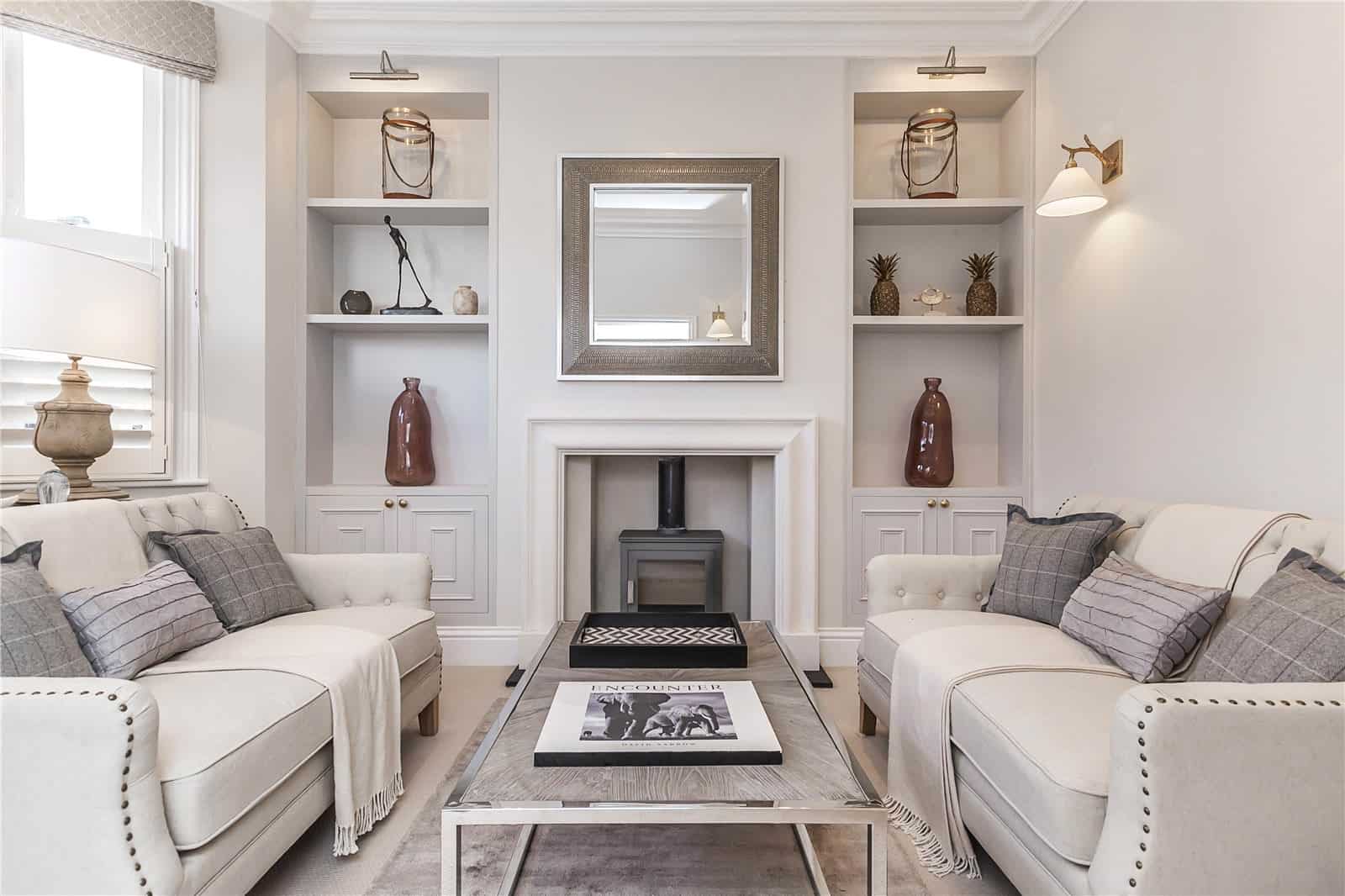
1. Limited Space That Feels Cramped and Restrictive
One of the most common challenges of a small living room is the constant feeling of being cramped. When space is limited, even normal furniture placement can make the room feel tight and uncomfortable. Many homeowners struggle to move freely or create a balanced layout because too much furniture quickly overwhelms the space. This often leads to frustration and makes the room feel less welcoming. However, the solution lies in intentional planning. Keeping the layout open, avoiding unnecessary furniture, and focusing on flow can dramatically change how the room feels. A well-planned small living room can feel airy, calm, and surprisingly spacious.
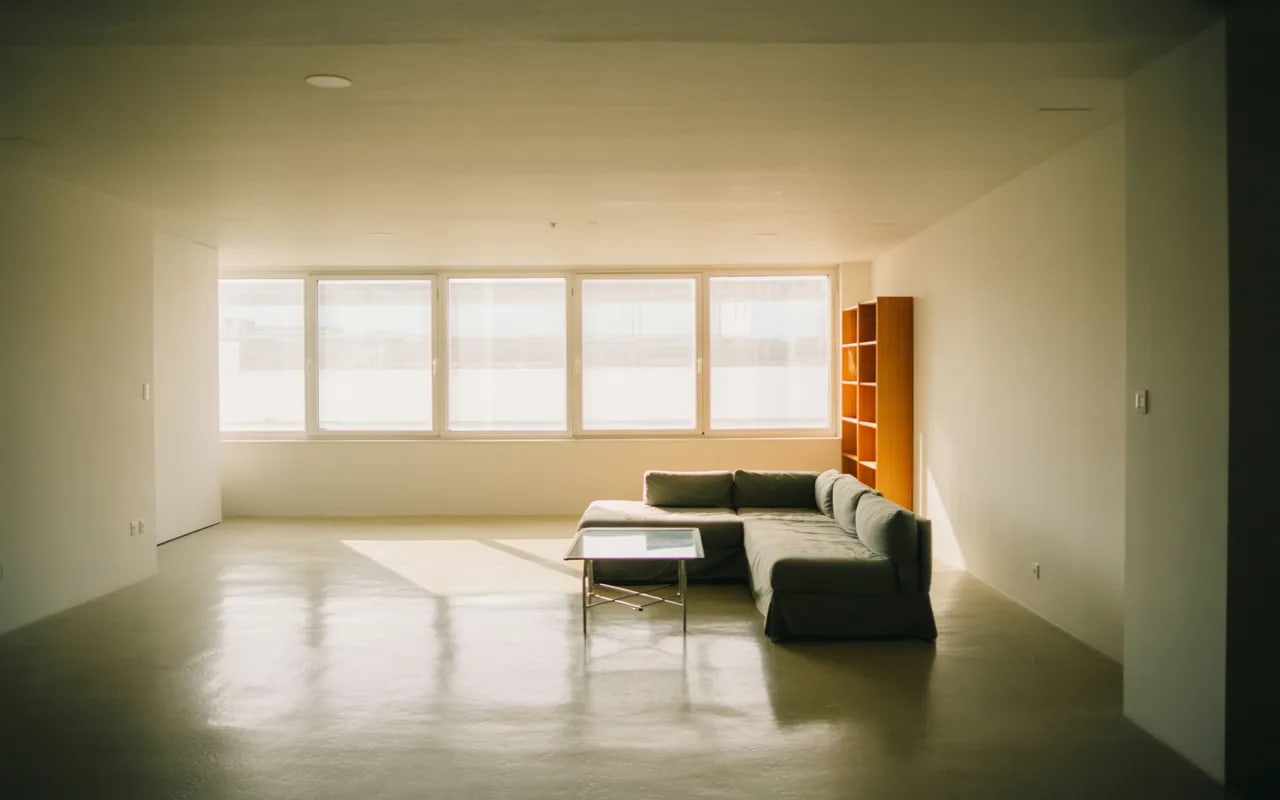
2. Oversized Furniture That Dominates the Room
Another major challenge in a small living room is choosing furniture that is simply too large for the space. Oversized sofas, bulky coffee tables, and heavy armchairs can visually shrink the room and block movement. While these pieces may look great in a showroom, they often don’t translate well into compact homes. The smart solution is to scale down. Compact sofas, armless chairs, and slim-leg furniture keep the room visually light. Multi-functional furniture like storage ottomans or nesting tables also adds function without adding bulk, making the room both practical and stylish.
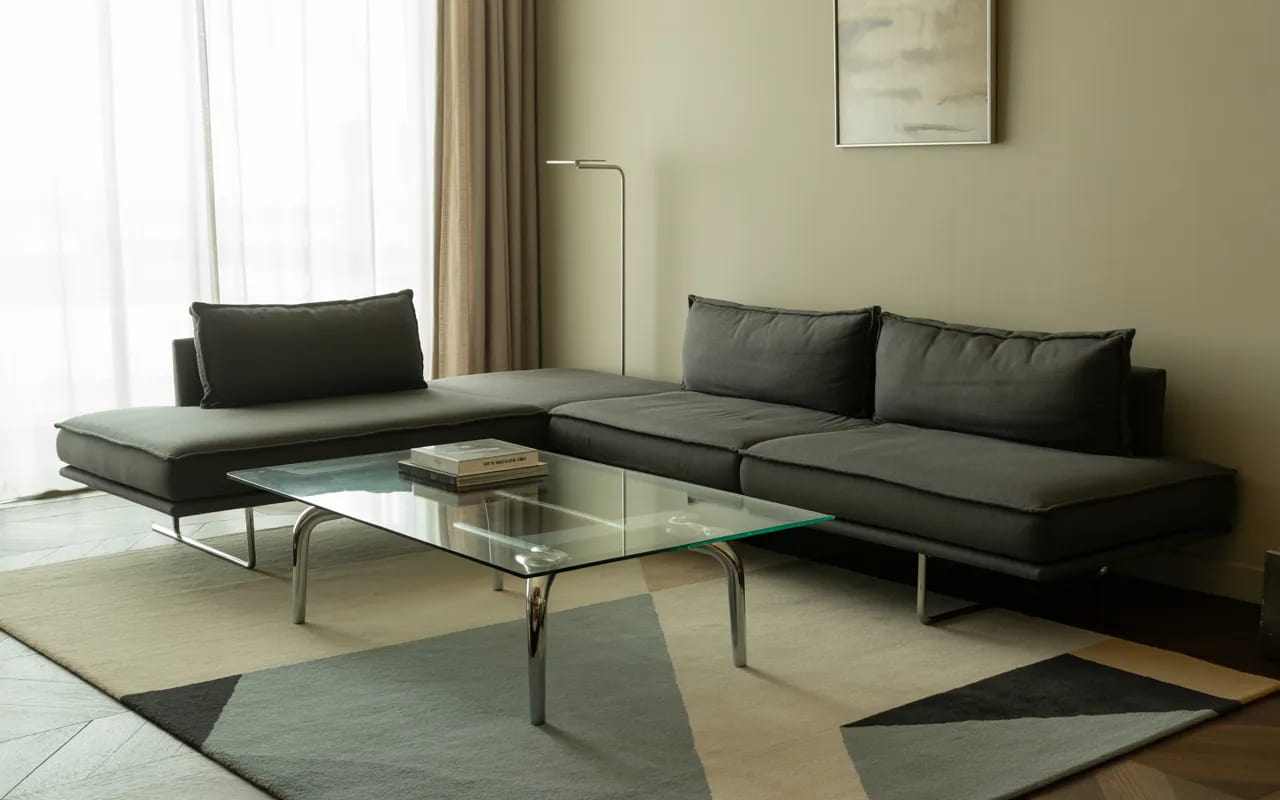
3. Poor Lighting That Makes the Room Feel Smaller
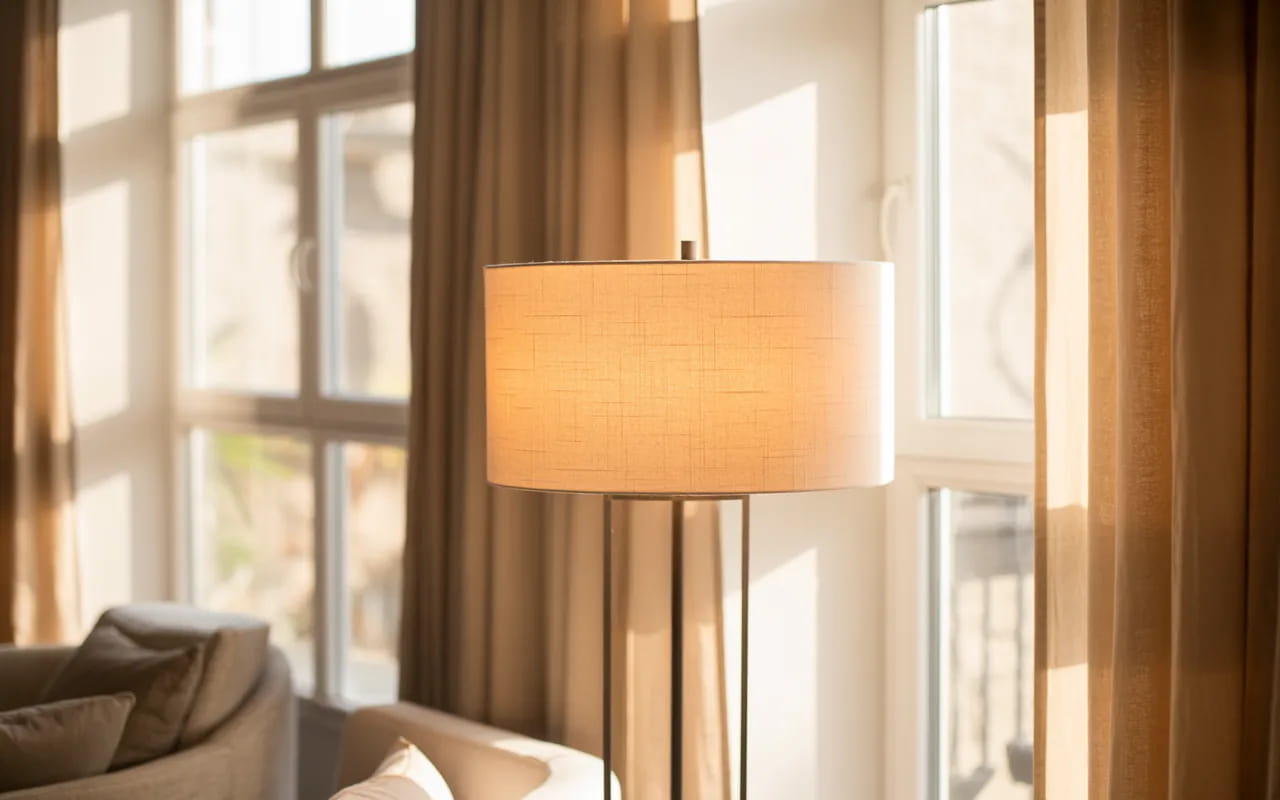
Lighting plays a huge role in how a small living room feels. Poor or insufficient lighting can make the space look dark, closed, and even smaller than it actually is. Many small living rooms rely on a single overhead light, which creates shadows and dull corners. The key is layered lighting. Combining floor lamps, table lamps, and wall-mounted lights adds depth and warmth. Light-colored walls and reflective surfaces further enhance brightness. Allowing natural light to flow in freely can instantly open up the room and create a more inviting atmosphere.
4. Lack of Storage Leading to Clutter
Storage is often overlooked in small living rooms, leading to cluttered surfaces and messy corners. Without enough space to store everyday items, the room can quickly feel chaotic. This clutter not only affects functionality but also makes the room look smaller. Smart storage solutions are essential. Vertical storage like floating shelves makes use of wall space, while furniture with hidden compartments keeps items out of sight. Wall-mounted cabinets and baskets can add style while maintaining order. A clutter-free living room instantly feels more open, calm, and visually appealing.
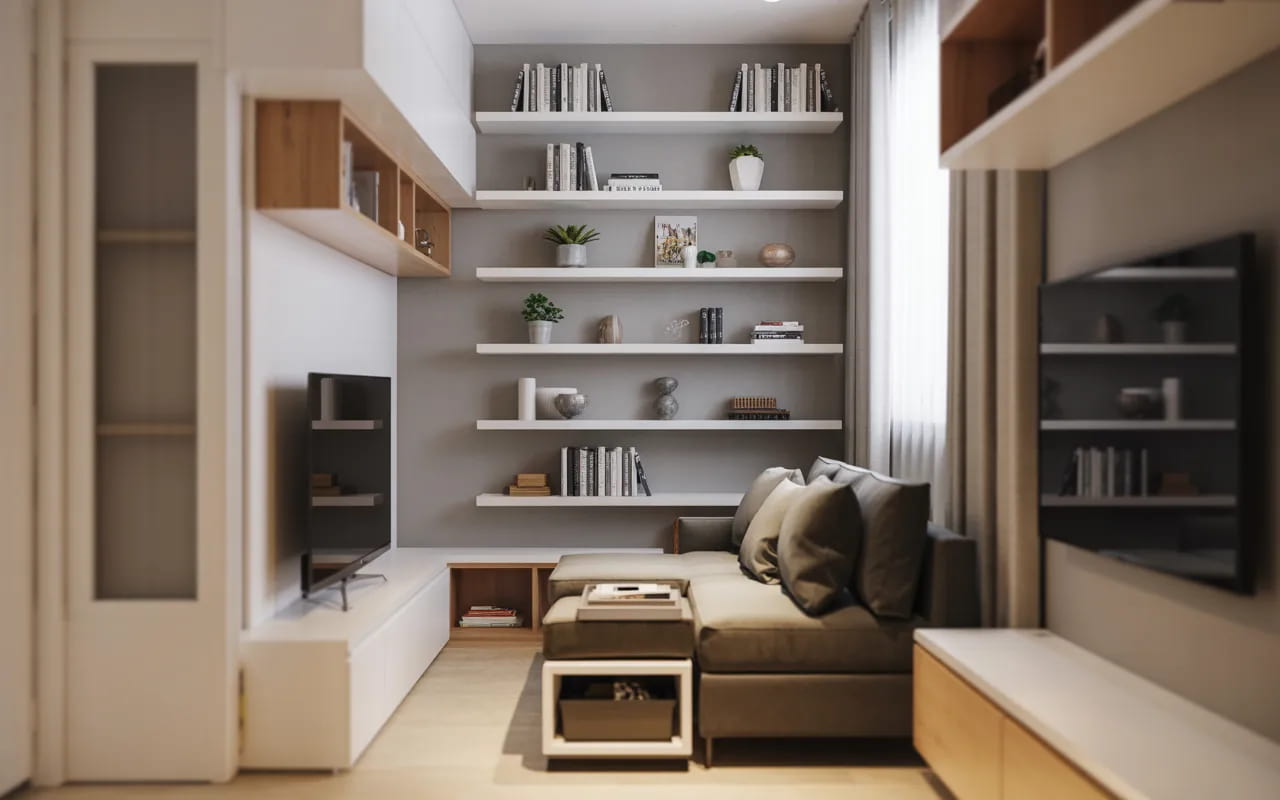
5. Decorating Without Overwhelming the Space
Many people hesitate to decorate a small living room because they fear it will look crowded. As a result, the space can feel plain or unfinished. The challenge is finding the right balance between style and simplicity. Instead of adding many small decor items, focus on a few impactful pieces. Textured cushions, a cozy rug, or one statement wall art can elevate the room without cluttering it. Using a cohesive color palette also helps maintain visual harmony. Thoughtful decor adds personality while keeping the space comfortable and breathable.
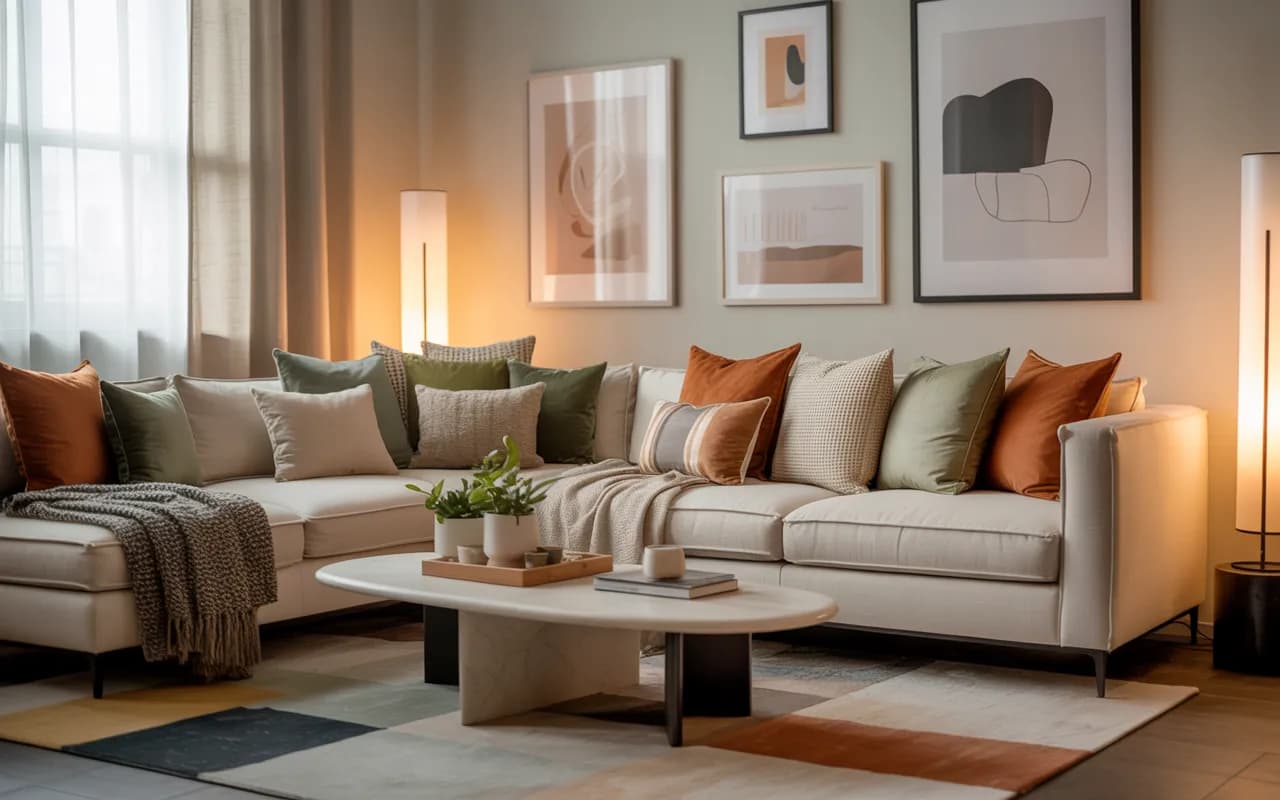
6. Making the Small Living Room Look Bigger
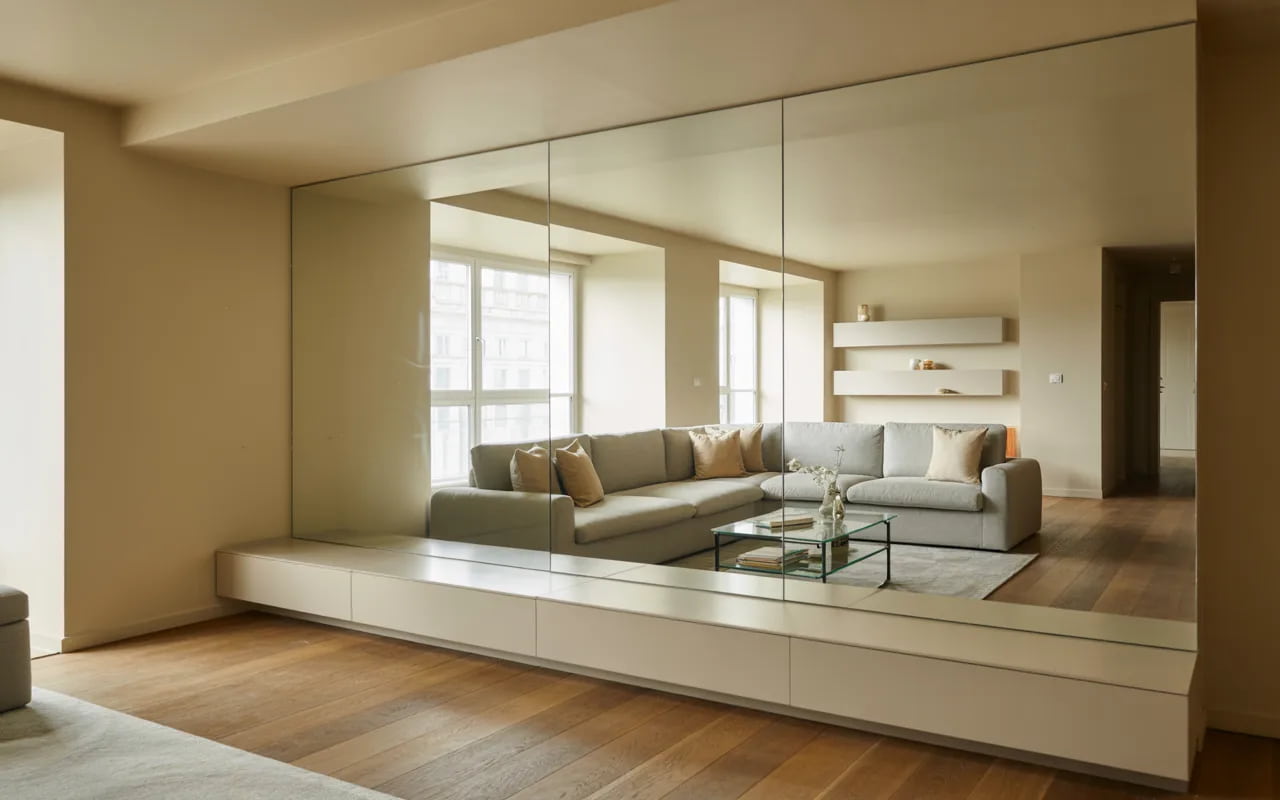
A common goal for homeowners is making a small living room appear larger than it is. While structural changes aren’t always possible, visual tricks can work wonders. Mirrors are one of the most effective tools, reflecting light and creating the illusion of depth. Furniture with exposed legs allows the eye to travel across the room, making it feel more open. Keeping a consistent color scheme also reduces visual breaks. These simple design choices help the room feel expansive and balanced, proving that size doesn’t limit great design.
7. Balancing Comfort With Everyday Functionality
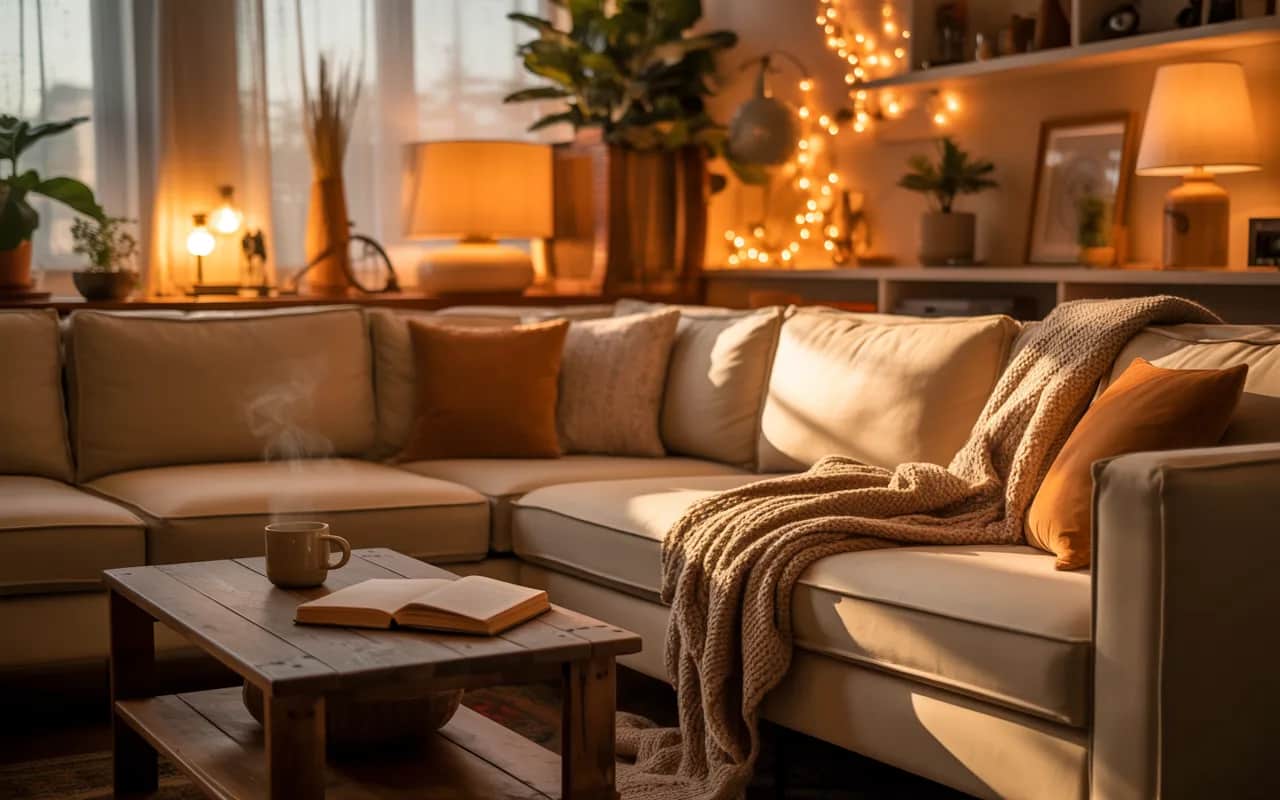
Comfort should never be sacrificed, even in a small living room. Many people assume that limited space means uncomfortable seating or reduced usability, but that doesn’t have to be true. Choosing cozy yet compact furniture allows you to enjoy the space without crowding it. Soft textiles like cushions, throws, and warm lighting make the room feel inviting. When every item has a purpose, the living room becomes both functional and relaxing. A well-designed small living room can be the most comfortable space in the entire home
8. Choosing the Right Color Palette for a Small Living Room
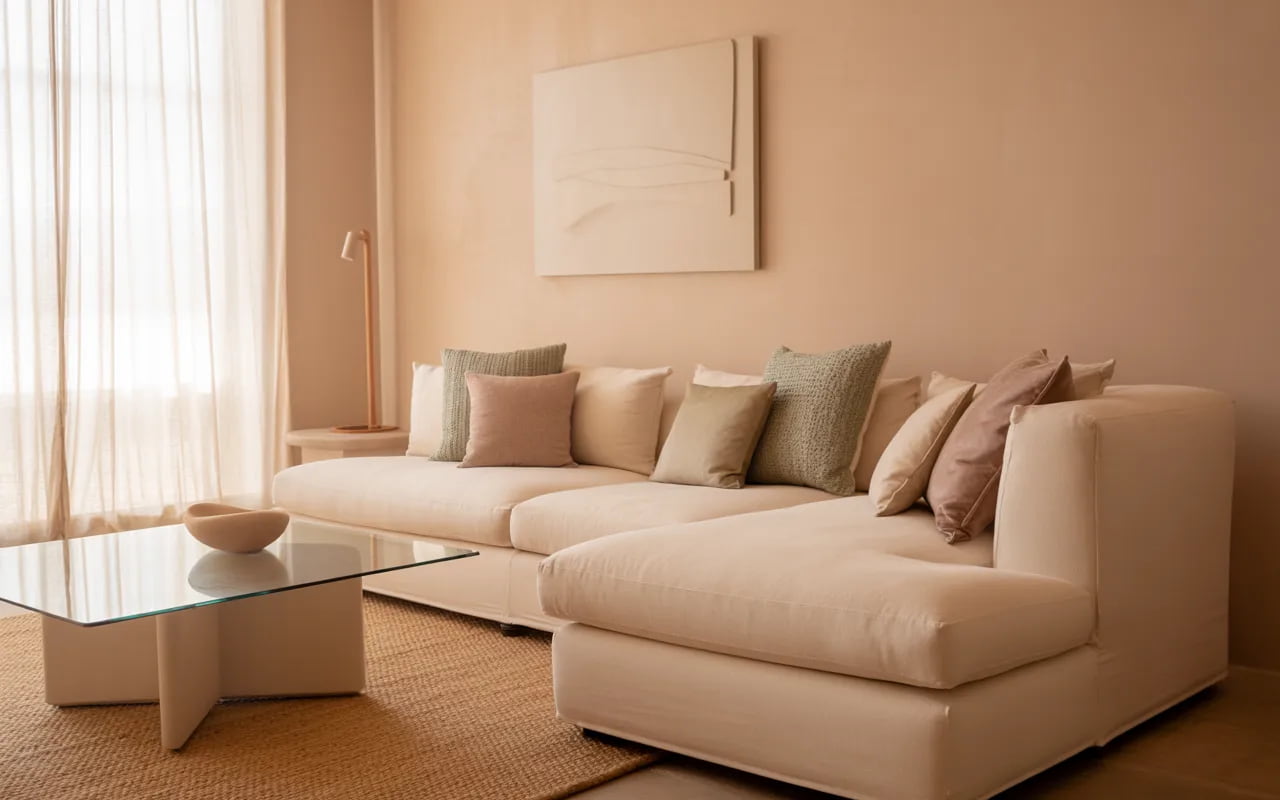
Color plays a powerful role in how a small living room is perceived. Dark and overly bold colors can make the space feel tight and heavy, while the wrong combinations can visually break the room into smaller sections. A smart color palette keeps the room cohesive and open. Soft neutrals like white, beige, cream, and light gray reflect light and create a calm foundation. Adding subtle accent colors through cushions or decor keeps the space interesting without overwhelming it. When colors flow naturally, the room feels larger, brighter, and more balanced.
9. Smart Layout Planning for Better Flow and Movement
Poor layout planning is a hidden challenge in many small living rooms. When furniture blocks pathways or sits awkwardly, the room feels uncomfortable and impractical. Good layout planning focuses on flow. Arranging furniture to support natural movement makes the room easier to use every day. Keeping seating grouped, leaving clear walking space, and aligning furniture with the room’s focal point creates harmony. Even a small shift in placement can dramatically improve functionality. A well-planned layout ensures that every inch of space works efficiently without feeling crowded.
10. Personalizing a Small Living Room Without Clutter
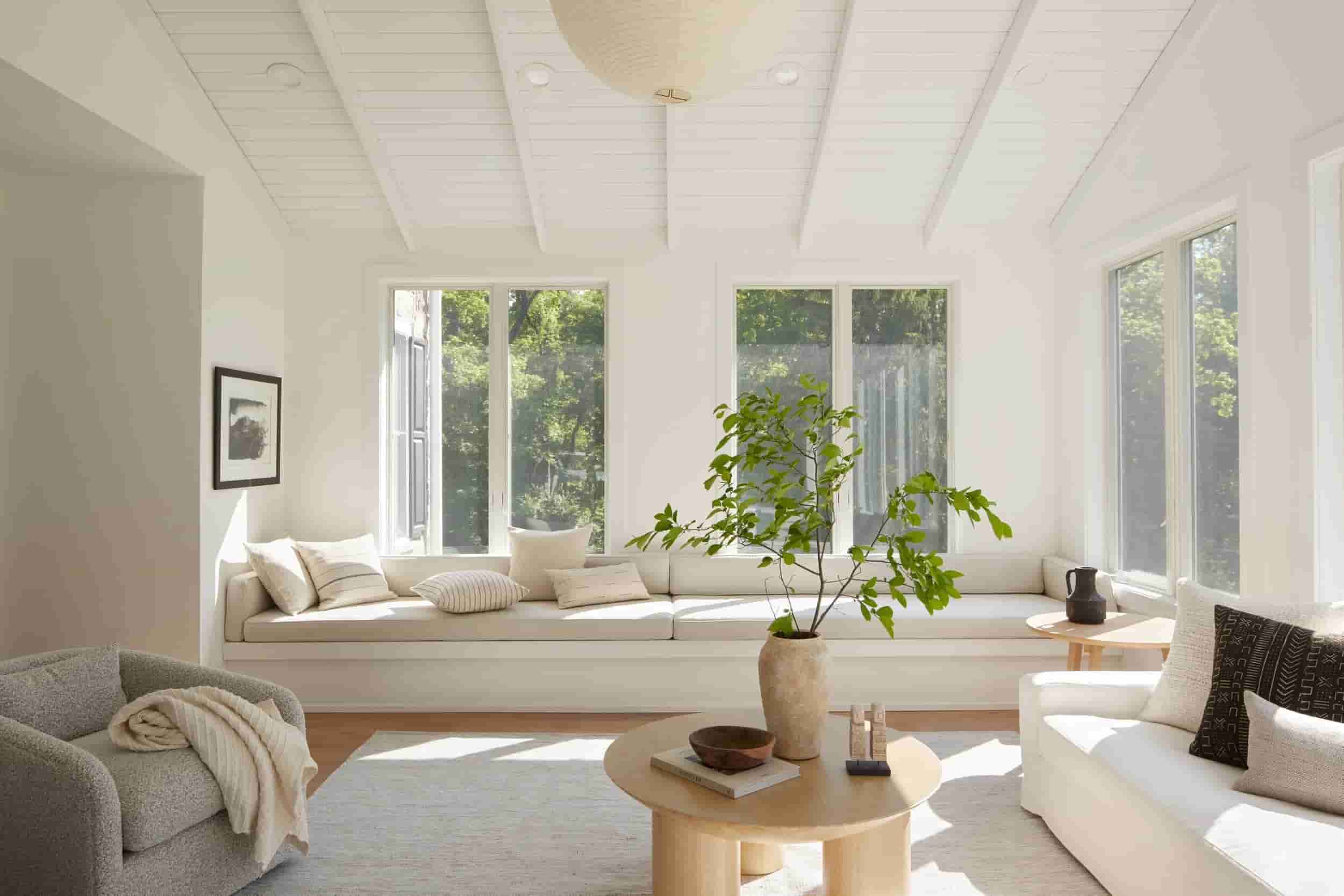
Adding personality to a small living room can feel challenging because too many personal items can create visual clutter. The key is intentional styling. Instead of displaying everything, choose a few meaningful decor pieces that reflect your style. Family photos, artwork, or unique accessories can be showcased in a clean and organized way. Using trays, shelves, or gallery walls helps keep items contained and visually pleasing. Personal touches make the space feel warm and lived-in while maintaining a clean, open look that works beautifully in small spaces.
Final Thoughts
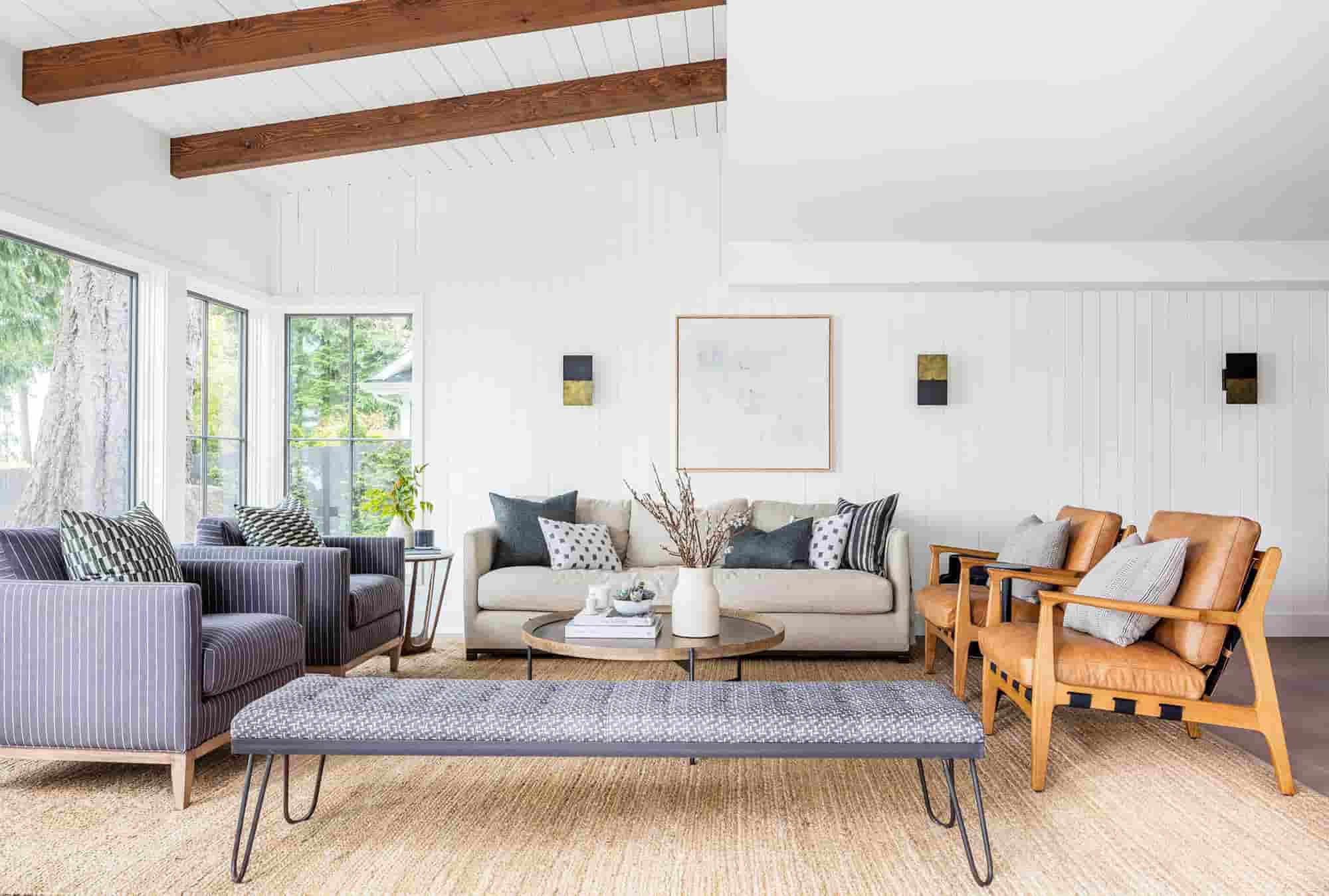
The challenges of a small living room are real, but they are far from impossible to solve. With smart furniture choices, proper lighting, thoughtful storage, and intentional decor, even the smallest living room can feel stylish, open, and welcoming. The key is designing with purpose and focusing on solutions that truly work. A small living room, when done right, can be just as beautiful and functional as a large one—sometimes even more charming.